
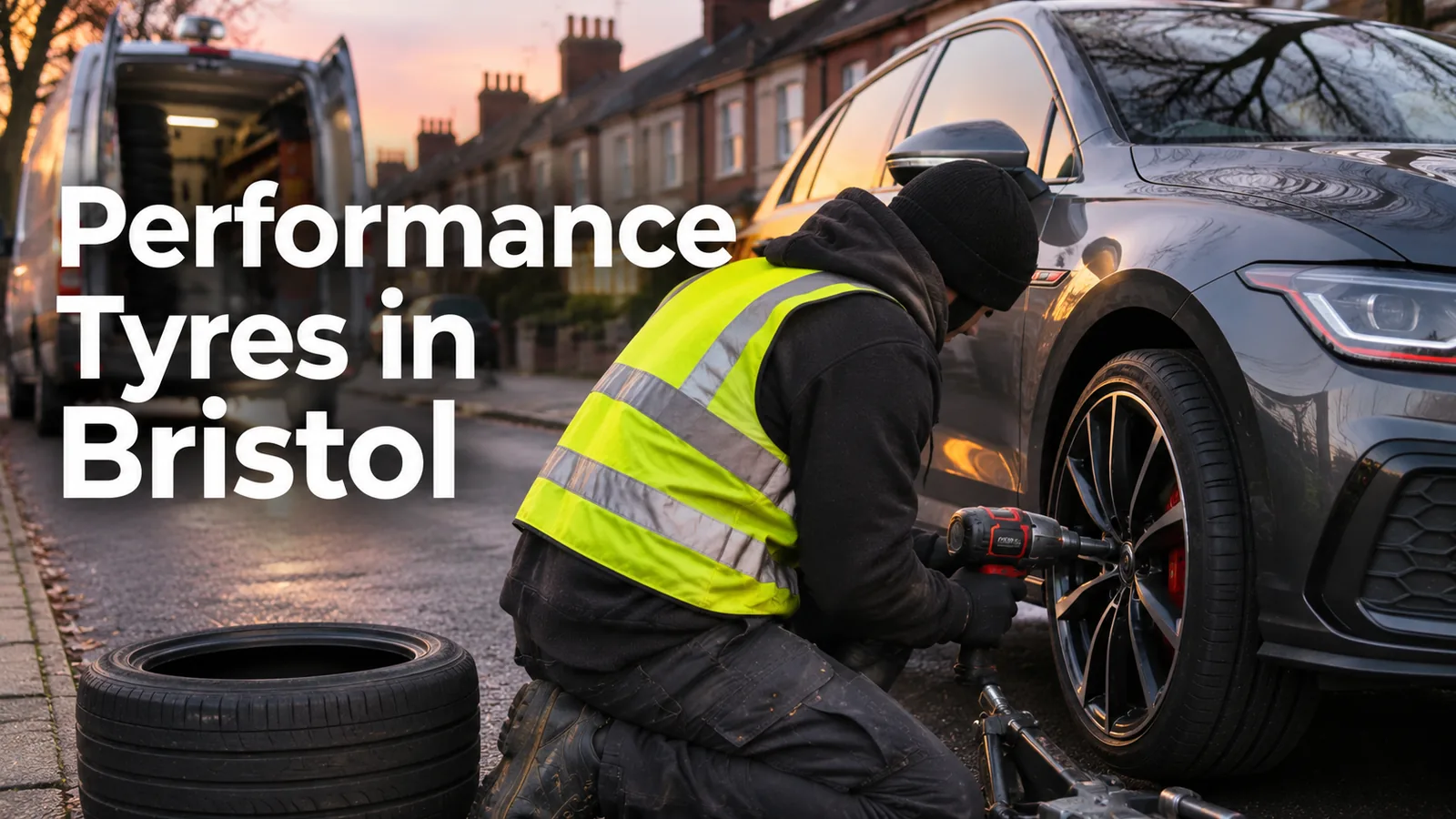
If you drive a hot hatch, a performance saloon or a powerful estate around Bristol, you have probably been told you need "performance tyres". But what does that actually mean, and is it worth paying for them if most of your driving is the school run, the M5 and the Portway?
This guide explains what performance tyres are, how they differ from everyday touring tyres, which markings matter, and when they make sense. It finishes with how Rapid Mobile Tyres can fit them at your home, workplace or roadside across Bristol and the surrounding area.
Short answer: do you need performance tyres?
If your car left the factory on performance tyres, the safest choice is usually to replace them with tyres that meet the same specification: the same size, and a load index and speed rating at least as high as the car maker lists. The handling, braking and stability of these cars were developed around that kind of tyre.
If your car came on standard touring tyres, you do not need performance tyres. A good-quality touring tyre that matches your car's specification will suit most everyday Bristol driving and usually lasts longer and rides more comfortably.
The key rule is simple: never fit a tyre with a lower speed rating or load index than your car's handbook or door placard specifies.
What are performance tyres?
"Performance tyre" is a broad term rather than a legal category. It usually describes tyres designed to prioritise grip, steering response and stability at higher speeds. You will also see the terms high performance (HP) and ultra high performance (UHP) used for tyres at the top of that range.
Performance tyres typically have:
- softer rubber compounds, which grip well but can wear faster;
- stiffer sidewalls and construction, for sharper steering response;
- tread patterns designed for road grip and water clearance at higher speeds;
- higher speed ratings, often V, W or Y;
- wider, lower-profile sizes, common on cars with larger wheels.
They are often fitted as original equipment on sports cars, hot hatches, performance saloons and some powerful SUVs. Some car makers approve specific versions of a tyre for a particular model, marked on the sidewall with a code. Your fitter can help you check whether your car has one.
Speed ratings and load index: the markings that matter
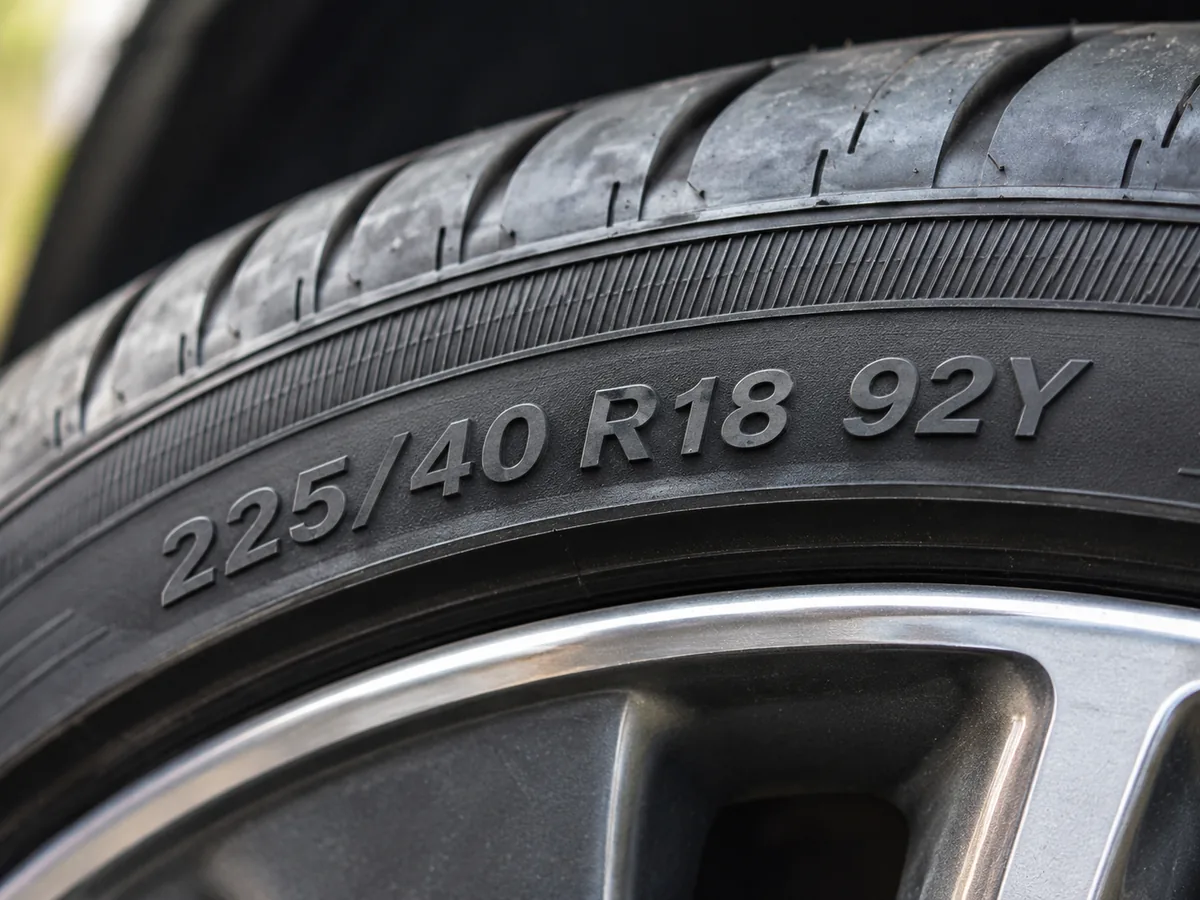
Every tyre sidewall carries a size code followed by a load index and a speed rating, for example 225/40 R18 92Y. In that example:
- 225 is the width in millimetres;
- 40 is the sidewall height as a percentage of the width;
- R18 means radial construction for an 18-inch wheel;
- 92 is the load index, a code for the maximum weight each tyre can carry;
- Y is the speed rating.
Common speed ratings you will see on performance tyres include:
| Speed rating | Maximum speed |
|---|---|
| V | 149 mph |
| W | 168 mph |
| Y | 186 mph |
These figures come from published tyre industry tables, such as those listed by Which? and Pirelli. Pirelli explains that the speed rating reflects how well a tyre withstands heat at speed while carrying its rated load. It is not an invitation to drive faster than the speed limit, and it is not a measure of overall quality.
Which? also notes that fitting a tyre that does not meet the car maker's recommendations could affect your insurance. If you are unsure what your car needs, check the handbook or the sticker inside the driver's door, or read our guide on how to read your tyre sidewall markings.
The benefits of performance tyres
On a car designed for them, performance tyres can offer:
- More grip in dry and many wet conditions, helping acceleration, cornering and braking;
- Sharper steering response and clearer feedback through the wheel;
- Better stability at motorway speeds and when changing direction;
- Handling as the manufacturer intended, because the car's suspension and safety systems were set up on similar tyres.
For drivers who enjoy their car, the difference in feel can be noticeable. For drivers who simply want their car to behave predictably, keeping the original type of tyre avoids surprises.
The trade-offs
Performance tyres are not the right answer for every car. The common downsides are:
- Faster wear. Softer compounds generally wear more quickly, so you may replace them sooner.
- Higher cost. Performance and UHP tyres usually cost more than touring tyres in the same size. Ask for a quote for your exact size and car.
- Firmer ride and more noise. Stiffer construction can make the ride feel harder on rough roads, and some patterns are louder. If cabin noise matters to you, our guide to silent tyres explains noise ratings.
- Cold-weather limits. Many summer performance tyres are designed for warmer conditions and can grip less well when it is very cold. This matters for year-round UK driving.
- Availability. Some large or manufacturer-approved sizes are less common, which can affect how quickly a replacement can be sourced.
Performance tyres in Bristol winters
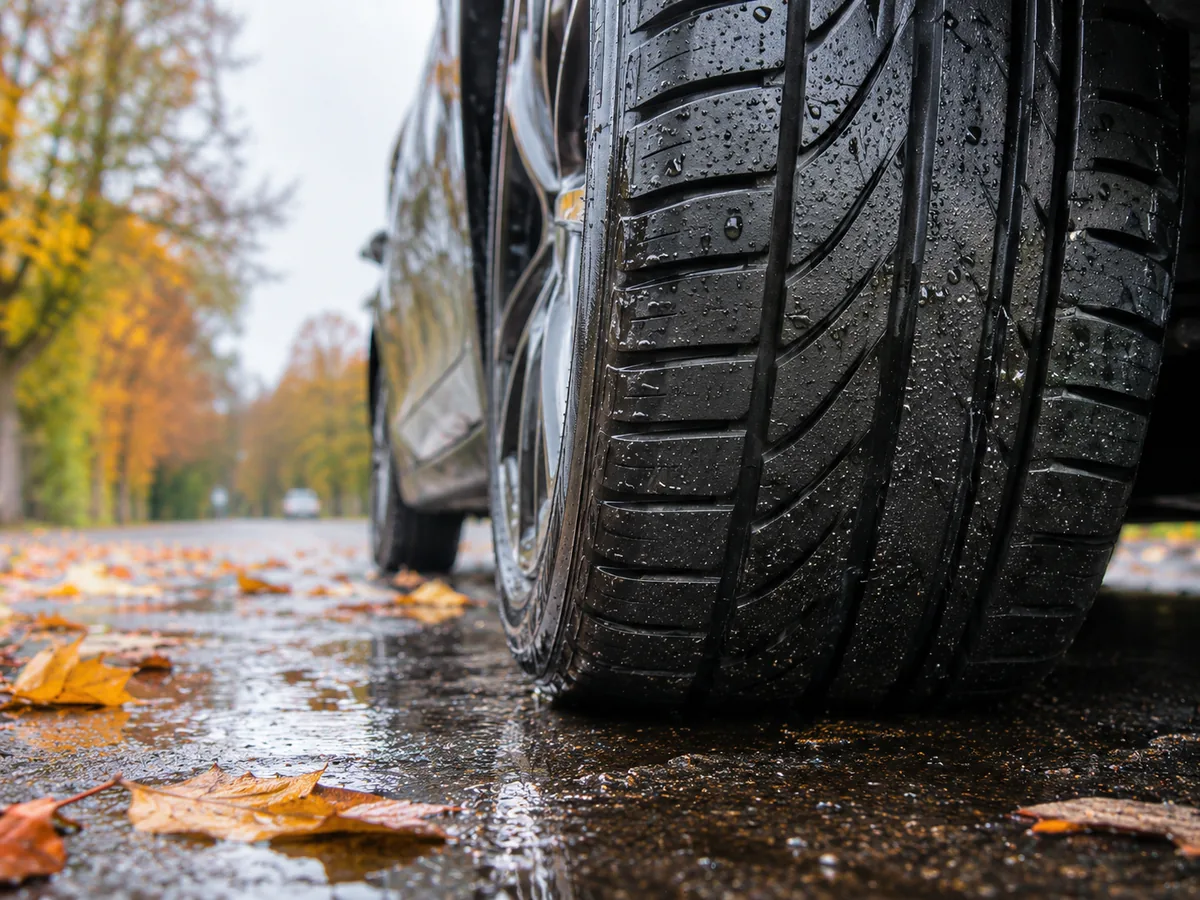
Bristol winters are usually mild and wet rather than snowy, but cold mornings, wet leaves and occasional frost are common, especially on higher routes out of the city. If your car runs summer performance tyres all year, consider how they behave in cold, wet weather.
Some drivers choose an all-season tyre in a suitable performance size, which is designed to work across a wider temperature range. Others keep summer tyres and take more care in cold spells. Our guide to winter tyres in Bristol covers the options in more detail. Whatever you choose, it must still match your car's required size, load index and speed rating.
Performance tyres on SUVs and electric cars
Powerful SUVs and electric cars can be heavy and deliver strong acceleration, which puts extra demands on tyres. Many need a high load index, and some use tyres marked XL (extra load) or HL (high load).
- For electric cars, read our guide on whether electric cars need special tyres.
- For SUVs, see our SUV tyre fitting in Bristol page.
In both cases, match or exceed the specification the car maker lists, and do not rely on size alone.
Run-flat performance tyres
Some performance cars, particularly certain premium saloons and coupés, leave the factory on run-flat tyres and may not carry a spare wheel. Run-flats have reinforced sidewalls that let you keep driving for a limited distance at reduced speed after a puncture, within the limits set by the tyre and car maker.
If your car uses run-flats, check the sidewall marking and your handbook before choosing replacements. Swapping to conventional tyres can change how the car handles and leaves you without that get-you-home ability, so it is a decision to make deliberately rather than by accident. Tyre makers generally advise against repairing a run-flat after it has been driven on while deflated, so a puncture often means a replacement tyre. Rapid Mobile Tyres can replace run-flat tyres on-site.
How to choose the right performance tyre
- Check your car's specification. Use the handbook or door placard for size, load index and speed rating. Note any manufacturer approval marking on your current tyres.
- Decide how you drive. Mostly city and motorway? A comfortable, long-wearing tyre in the right specification may suit you. Regular spirited driving? A dedicated performance tyre may be worth it.
- Think about the seasons. Summer, all-season or a winter set, depending on how and when you use the car.
- Read the tyre label. The UK tyre label shows grades for wet grip, fuel efficiency (rolling resistance) and external noise, which helps you compare models.
- Replace in pairs at least. Fitting matching tyres on the same axle helps keep handling balanced. Your fitter can advise whether all four should be replaced together.
- Ask for a clear quote. Confirm the tyre brand and model, fitting, balancing and disposal of old tyres before work begins.
For a step-by-step overview, read our complete guide to choosing the right tyres.
When to replace performance tyres
Because performance tyres can wear faster, check them regularly:
- Tread depth. The UK legal minimum for cars is 1.6mm across the central three-quarters of the tread, around the whole circumference. Many drivers choose to replace well before that point.
- Uneven wear. Wear on one edge can point to alignment or pressure problems.
- Damage. Bulges, cuts and cracks in the sidewall mean the tyre should be inspected straight away.
- Pressures. Check them when the tyres are cold, using the figures in your handbook.
Our guide to the dangers of worn tyres explains the warning signs.
Mobile performance tyre fitting in Bristol
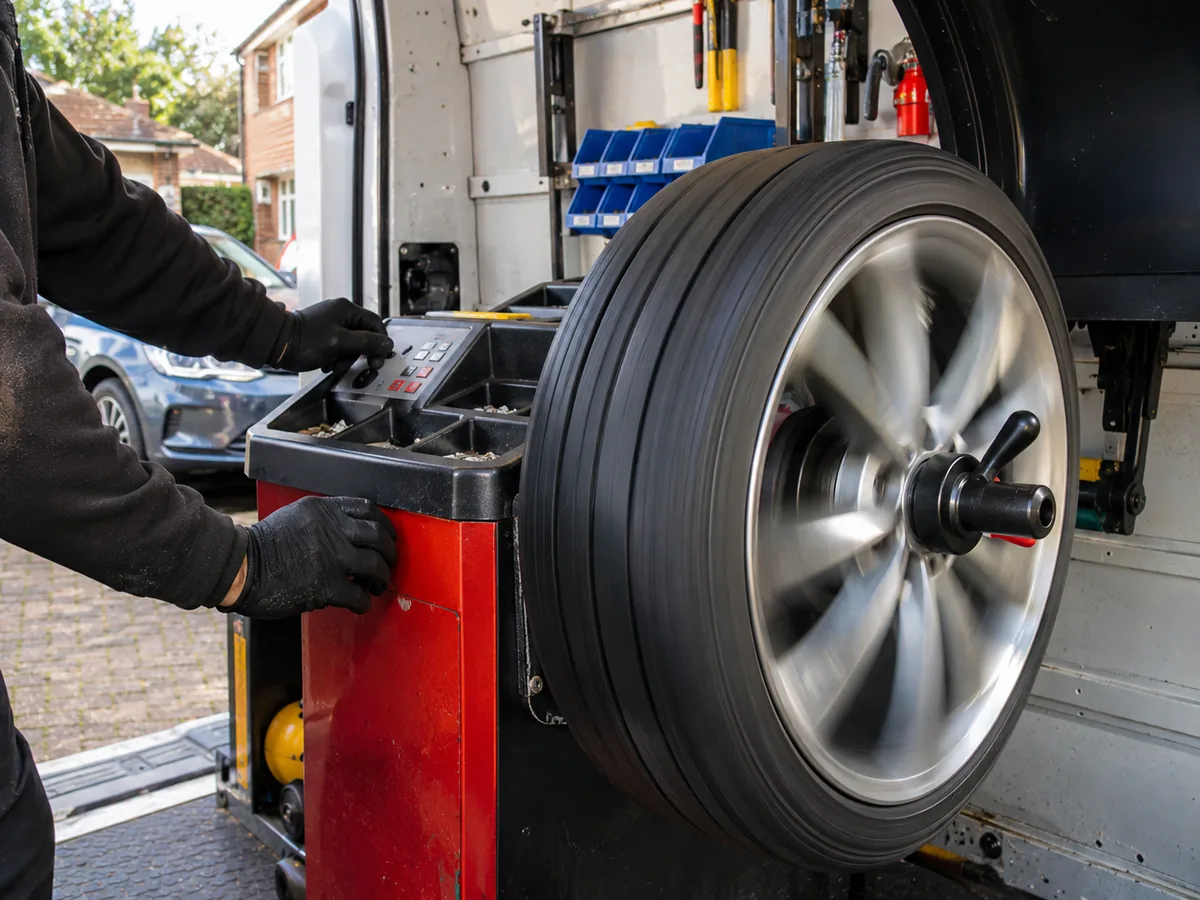
Rapid Mobile Tyres fits new tyres at your home, workplace or the roadside. Our vans carry fitting and balancing equipment, so the work can be done where your car is parked. We supply a range of brands, including premium names such as Michelin, Continental, Pirelli, Bridgestone, Goodyear and Dunlop, as well as quality budget options. Tell us your car, tyre size and how you drive when you call, and we will talk you through suitable options for your car.
We also handle run-flat replacements on-site. Find out more about our mobile tyre fitting and mobile car tyre fitting in Bristol services, or check the areas we cover.
Frequently asked questions
Are performance tyres worth it for everyday driving in Bristol?
On a car designed for them, yes, because they keep the handling the car maker intended. On a standard car used mainly for commuting, a good touring tyre in the correct specification is usually the more practical choice.
Can I fit a lower speed rating than my current tyres?
You should not fit a lower speed rating or load index than your car's handbook or door placard specifies. Doing so can affect safety and, as Which? notes, could affect your insurance.
Do performance tyres wear out faster?
Often, yes. Softer compounds that give more grip usually wear more quickly, although wear also depends on driving style, alignment and tyre pressures.
Are performance tyres safe in cold weather?
Many summer performance tyres grip less well in very cold conditions. All-season tyres in performance sizes are one option for year-round driving. Check the tyre's intended use before buying.
Should I replace all four performance tyres at once?
At minimum, replace tyres in pairs on the same axle so they match. Some cars, especially four-wheel-drive models, may need all four replaced together. Ask your fitter for advice on your car.
Can you fit performance tyres at my home or work?
Yes. Rapid Mobile Tyres fits new tyres at home, at work or at the roadside across Bristol and surrounding areas, 24 hours a day, 7 days a week.
Which brands of performance tyre can you supply?
We supply a range of premium and budget brands, including Michelin, Continental, Pirelli, Bridgestone, Goodyear and Dunlop. Availability depends on your exact size, so call with your tyre details for options.